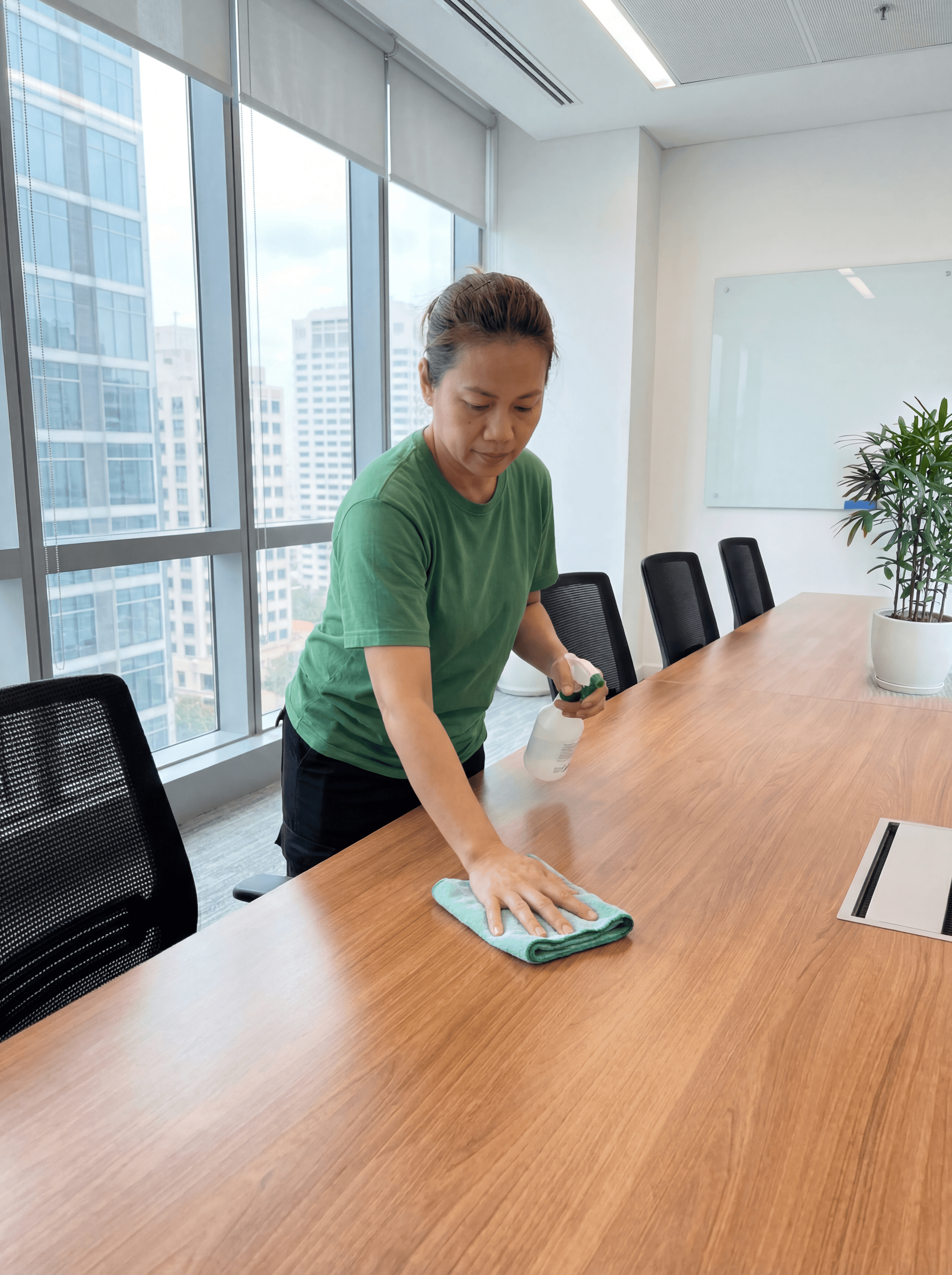
The Hidden Cost of Unreliable Commercial Cleaners
When a commercial cleaning company underperforms, the invoice stays the same. The costs don’t.
Most facility managers and strata managers in Sydney have experienced it: the cleaner who shows up late, skips tasks, or simply stops coming without notice. And most of them underestimate what that actually costs the business — because most of the costs don’t show up on any invoice.
Here’s what unreliable commercial cleaning actually costs, and why the cheapest quote is rarely the cheapest option.
1. Your Time
Chasing a cleaning contractor is one of the most unproductive ways a facility manager can spend their day. But when a provider is unreliable, it becomes routine:
Following up missed tasks via phone or email
Arranging re-cleans or catch-up visits
Documenting issues to build a case for contract termination
Sourcing and onboarding a replacement provider
Fielding complaints from staff, tenants, or residents in the meantime
Conservatively, a problematic cleaning relationship costs 1–2 hours of management time per week. At an office or strata manager’s hourly rate, that’s $3,000–$8,000 per year in time alone — on top of whatever you’re paying the cleaner.
2. Staff Morale and Productivity
The state of a workplace affects how people feel about coming to work. This is well documented.
A consistently dirty office — overflowing bins, grimy bathrooms, a kitchen that hasn’t been properly cleaned — signals to staff that the organisation doesn’t care about their environment. It contributes to low morale, higher absenteeism, and in competitive hiring markets, higher turnover.
None of this appears on an invoice. All of it has a real cost.
Conversely, a consistently clean, well-maintained workspace reinforces a professional culture. It’s a small input with a disproportionate effect on how people feel at work.
3. Client and Visitor Impressions
You get one first impression. If a client visits your office, walks into a strata foyer, or steps into your gym and it’s not clean, that’s the impression they leave with.
For strata buildings specifically, visible cleanliness directly affects resident satisfaction and owner perceptions of building management. A dirty foyer generates committee complaints. A dirty car park generates formal complaints. These take time to manage and can affect your relationship with the building long-term.
For client-facing offices, the risk is simpler: a poorly maintained workspace undermines confidence in your organisation before a word is spoken.
4. Compliance and Audit Risk
In regulated industries — medical, childcare, food preparation, aged care — cleaning standards aren’t just about appearances. They’re compliance requirements. A failed inspection caused by inadequate cleaning can result in fines, remediation requirements, or in serious cases, suspension of operations.
Even outside regulated industries, strata buildings and commercial offices face periodic audits, council inspections, and insurance assessments. If your cleaning documentation is nonexistent (no checklists, no visit records, no photos), you have no defence if something goes wrong.
5. The Switching Cost
When a cleaning relationship breaks down, terminating it isn’t always straightforward. Many commercial cleaning contracts in Sydney include 3–12 month lock-in periods. If you want to exit early, you may face:
Early termination fees
A period of continued poor service while serving out a notice period
Legal costs if the provider disputes the termination
And after all that, you’re back at the start — sourcing quotes, running trials, onboarding a new provider.
The switching cost — in time, fees, and disruption — is often thousands of dollars that nobody budgeted for.
What Reliable Cleaning Actually Looks Like
A reliable commercial cleaner isn’t just one who shows up. They’re one who:
Completes the agreed scope consistently, every visit
Documents their work so you can verify it without asking
Has low staff turnover, so your space is cleaned by people who know it
Communicates proactively when something changes
Makes it easy to raise issues and resolves them quickly
Operates on fair contract terms that don’t trap you if performance drops
This is a higher bar than most providers meet. But it’s also the bar that makes the relationship genuinely low-maintenance — which is what facility managers actually need.
How to Avoid the Hidden Costs
Before signing any commercial cleaning contract in Sydney:
Ask for documentation — How do they verify and record completed work?
Check the contract terms — What’s the notice period? Are there exit penalties?
Ask about staff — Are they employees or subcontractors? What’s their turnover rate?
Ask for references — Specifically from clients in similar facilities to yours
Start with a trial — Any reputable provider should be willing to start without a long-term commitment
The NoSpots Approach
We built NoSpots around one insight: the biggest problem in commercial cleaning isn’t dirty floors. It’s the lack of accountability that lets dirty floors become a recurring issue.
Every clean is documented with QR check-ins, time-stamped photos, and digital checklists. Our contracts run on 30-day notice terms — no lock-ins, no exit penalties. And because we pay our staff properly and invest in their development, our turnover is low and our quality is consistent.
If your current cleaning arrangement is costing you more than the invoice, get a free assessment for your Sydney space →. We’ll give you a straight quote and let the work speak for itself.
Summary
The real cost of unreliable commercial cleaning includes:
Management time — 1–2 hours/week chasing, documenting, and replacing providers
Staff morale — dirty workplaces contribute to disengagement and turnover
Client impressions — one visit to an unclean space can undo months of relationship building
Compliance risk — especially in regulated industries where cleaning standards are mandatory
Switching costs — lock-in contracts, early exit fees, and re-onboarding time
The cheapest quote is almost never the cheapest option.